Get Commercial Roof Installation
Commercial roof installation services help property owners replace or install roofs to prevent leaks, improve durability, and support large-scale building projects.
Property owners considering commercial roof installation often seek reliable local service providers to ensure the job is done properly and efficiently. Whether upgrading an aging roof, preparing a building for future use, or addressing structural concerns, exploring local contractors can provide valuable options tailored to specific project needs. Planning such projects involves evaluating different service providers to find those with experience and a solid reputation in the area, helping to make informed decisions.
Continuing to explore local options allows property owners to compare the expertise and offerings of various contractors who specialize in commercial roof installation. This process helps identify professionals capable of handling the scope of the work, ensuring the project aligns with the property’s requirements. Staying informed and considering multiple providers can support a smooth project planning experience and successful outcome.
- Flat Roof Installation - needed when constructing or replacing commercial flat roofing systems to ensure durability and proper drainage.
- EPDM Roofing Services - required for businesses seeking a cost-effective, weather-resistant membrane for their commercial roofs.
- TPO Roofing Installation - suitable when upgrading to energy-efficient roofing solutions that reflect sunlight and reduce cooling costs.
- Built-Up Roofing (BUR) Systems - appropriate for large commercial buildings needing a multi-layered, long-lasting roofing option.
- Metal Roof Installation - ideal for commercial properties looking for a durable, low-maintenance roofing material with a modern appearance.
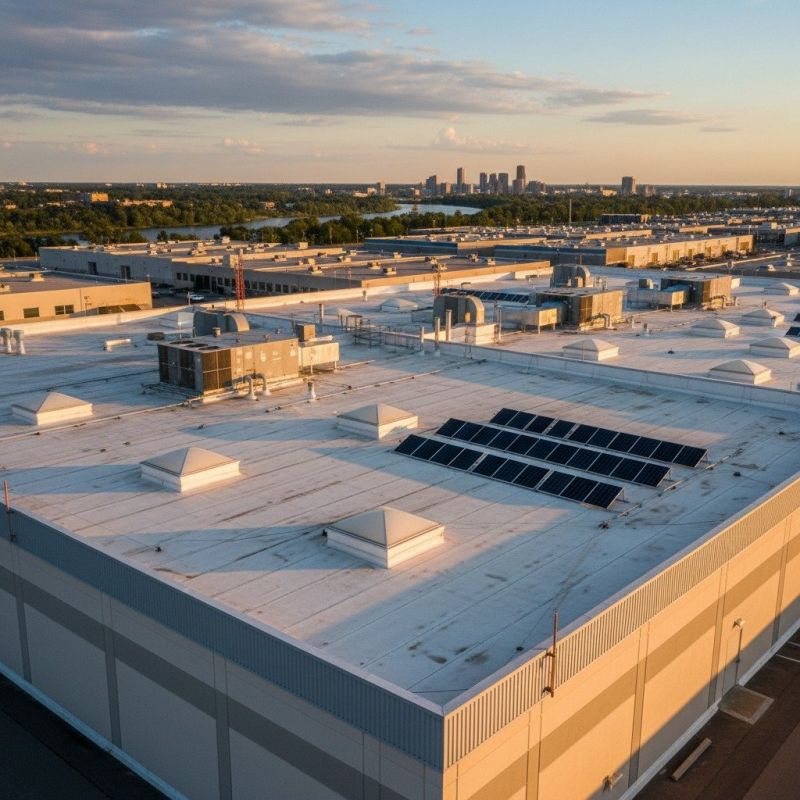
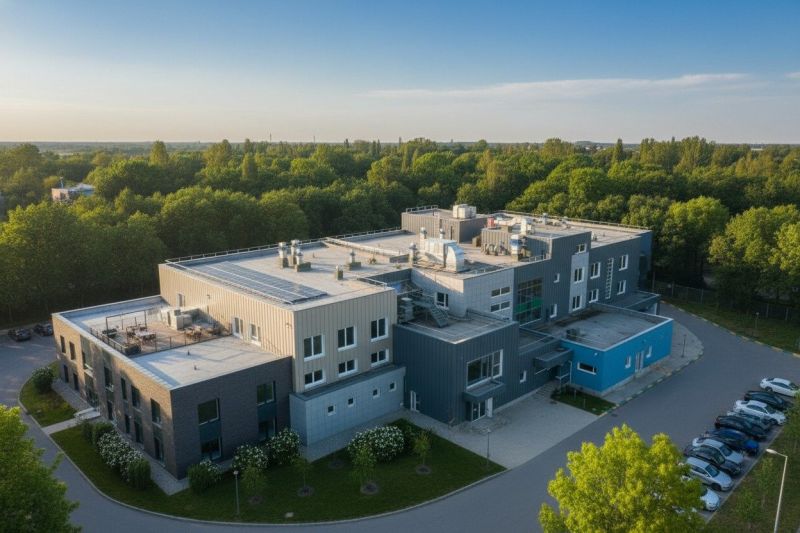
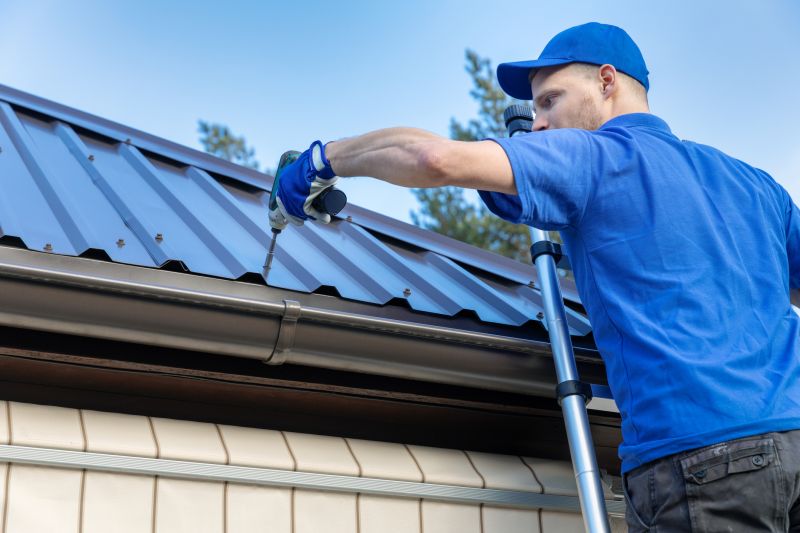
Commercial roof installation services involve the process of designing and installing new roofing systems on commercial properties. This work typically includes assessing the specific needs of a building, selecting suitable roofing materials, and ensuring proper installation to provide a durable and weather-resistant cover. Professional contractors focus on creating a roof that meets the structural requirements of the property while also considering factors like energy efficiency and long-term performance. Proper installation is essential to prevent future issues such as leaks, water damage, or premature roof failure.
These services help address common problems that can arise with aging or damaged roofs, such as leaks, cracks, or deterioration caused by exposure to the elements. A new roof installation can also resolve issues related to poor insulation, energy loss, or structural weaknesses that compromise the safety and functionality of a commercial building. Replacing an outdated or damaged roof can prevent costly repairs down the line and improve the overall integrity of the property. Local contractors can evaluate existing roofing systems to determine if a replacement is needed or if repairs might suffice.
Commercial roof installation is often required for a variety of property types, including office buildings, retail centers, warehouses, manufacturing facilities, and multi-family residential complexes. These properties typically have larger roof surfaces that demand specialized knowledge and equipment for proper installation. Business owners or property managers might seek new roofing services when constructing a new building, upgrading an existing roof, or replacing a roof that has reached the end of its service life. The right installation ensures that the property remains protected from weather-related damage and maintains its value over time.
Homeowners or property owners who notice signs of roof damage or aging may need commercial roof installation services if their building’s roof shows persistent leaks, extensive wear, or structural issues. While residential roofs are different from commercial ones, some larger homes or multi-unit properties may require similar services. Recognizing when a roof needs replacement is crucial to avoiding more serious problems later. Local service providers can help determine whether a new roof installation is the best solution, providing options tailored to the specific needs of each property.
The overview below groups typical Commercial Roof Installation projects into broad ranges so you can see how smaller, mid-sized, and larger jobs often compare in your area.
In many markets, a large share of routine jobs stays in the lower and middle ranges, while only a smaller percentage of projects moves into the highest bands when the work is more complex or site conditions are harder than average.
Smaller Repairs - typical costs for minor roof repairs usually range from $250 to $600, covering issues like small leaks or damaged flashing. Many routine jobs fall within this middle range, with fewer projects reaching the higher end. Local contractors can often handle these quickly and affordably.
Medium-Size Projects - replacing sections of roofing or addressing moderate damage generally costs between $1,000 and $3,500. These projects are common for mid-sized commercial roofs and tend to fall in the middle of the cost spectrum. Larger repairs may push beyond this range depending on scope.
Full Roof Replacement - complete roof replacements for commercial buildings typically range from $5,000 to $15,000 or more. Many projects land in this higher tier, especially for larger or more complex roofs, with fewer jobs reaching the top end of the scale. Local service providers can help determine precise costs based on specific needs.
Large or Complex Installations - extensive or highly customized roofing projects can exceed $20,000, depending on size, materials, and complexity. These higher-end projects are less common but are handled by experienced local contractors for larger commercial properties. Cost estimates vary widely based on project details.
Actual totals will depend on details like access to the work area, the scope of the project, and the materials selected, so use these as general starting points rather than exact figures.
Industrial Roof Coatings - professionals skilled in applying durable coatings to large-scale industrial roofs, sharing techniques used in commercial roof installation projects.
Roof Repair and Restoration - local contractors experienced in repairing and restoring existing roofs, requiring similar planning and roofing system knowledge as new commercial installations.
Flat Roof Waterproofing - specialists who focus on waterproofing flat roofing systems, utilizing tools and planning approaches comparable to those used in commercial roof installation.
Building Envelope Insulation - service providers who install insulation systems to improve building energy efficiency, often working alongside roofing teams on commercial projects.
Metal Roofing Installation - contractors skilled in installing metal roofing systems, which involve similar skills, tools, and planning as other commercial roofing types.
Commercial Skylight Installation - experts who integrate skylights into commercial roofs, requiring coordination with roofing systems and knowledge of structural planning.
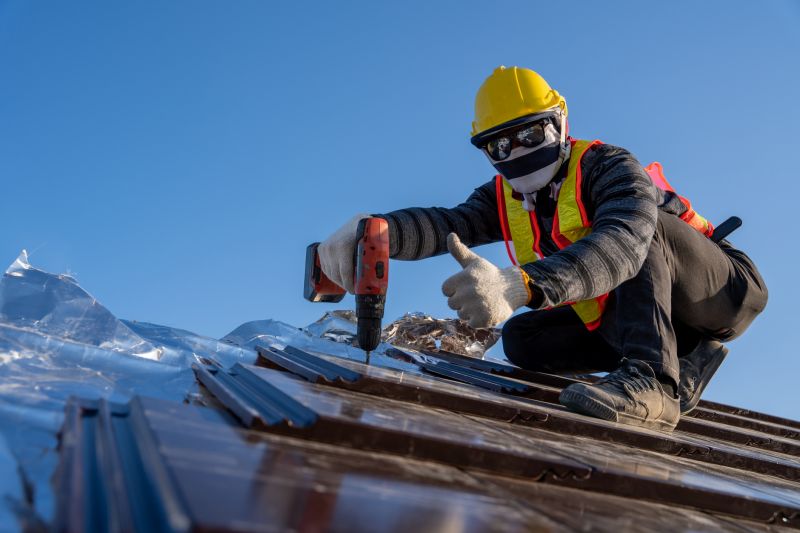
When evaluating potential contractors for commercial roof installation, it’s important to consider their experience with projects similar in scope and complexity. A service provider with a proven track record handling comparable roofing systems or building types can offer valuable insights and confidence that they understand the specific requirements of the job. Asking for examples of past work or references related to similar projects can help gauge their familiarity with the challenges and best practices associated with commercial roofing.
Clear, written expectations are essential to ensure that both parties are aligned on the scope of work, materials, and responsibilities. A reputable contractor should be able to provide detailed proposals or estimates that outline the work to be performed, the materials to be used, and the timeline for completion. Having these expectations documented helps prevent misunderstandings and provides a basis for evaluating bids, making it easier to compare options objectively.
Effective communication and reputable references are key indicators of a reliable service provider. Good communication involves prompt responses to inquiries, straightforward explanations, and a willingness to address concerns. Additionally, seeking references from previous clients can provide insights into the contractor’s professionalism, reliability, and quality of work. Connecting with local contractors who demonstrate these qualities can help ensure the project proceeds smoothly and meets expectations, ultimately leading to a successful roofing installation.
Property owners use Commercial Roof Installation services for practical projects around their homes and businesses. This guide focuses on everyday jobs and straightforward project options.
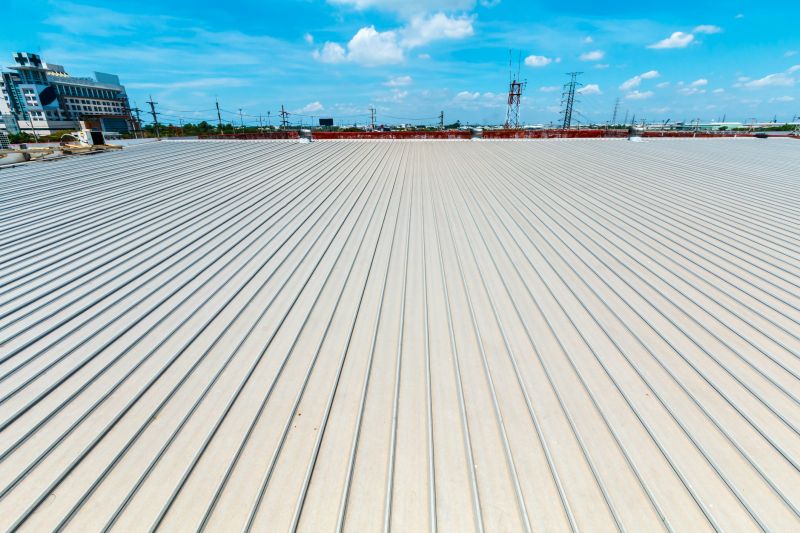
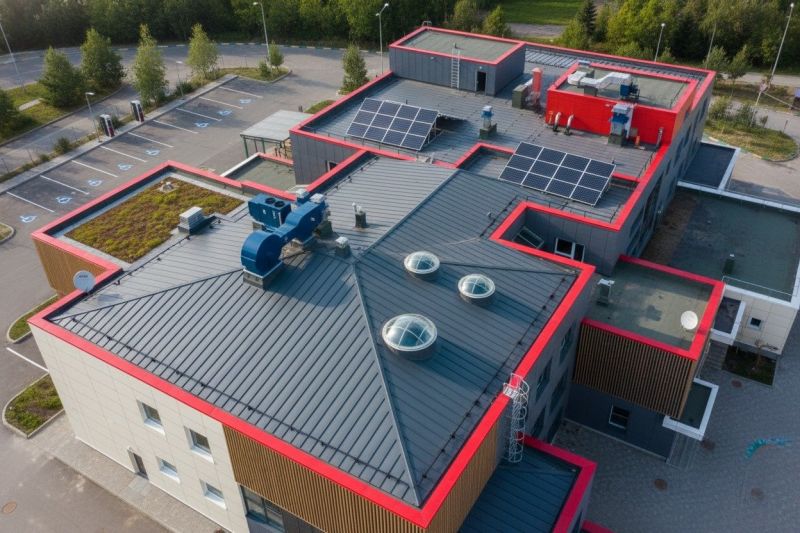
Commercial property owners often seek professional roof installation services when constructing new buildings or expanding existing facilities. A reliable roof is essential for protecting assets, ensuring safety, and maintaining the integrity of the structure. Local contractors are experienced in handling various types of commercial roofs, whether for warehouses, retail centers, or office buildings, providing solutions tailored to different building sizes and uses.
In addition to new projects, property owners might look for roof installation services when replacing an aging or damaged roof. Over time, weather exposure and regular wear can lead to leaks or deterioration, prompting the need for a professional upgrade. Local service providers can assess the condition of existing roofs and recommend appropriate installation options to help maintain the property's value and functionality.
What types of commercial roofs do local contractors install? Local contractors typically install various types of commercial roofs, including flat roofs, metal roofs, built-up roofing, and single-ply membrane systems, depending on the building’s needs and specifications.
How do contractors ensure proper installation of commercial roofing systems? Contractors follow industry best practices and manufacturer guidelines to ensure the roofing system is installed correctly, focusing on proper materials, surface preparation, and weatherproofing techniques.
What are common materials used in commercial roof installation? Common materials include EPDM rubber, TPO, PVC membranes, metal panels, and bitumen-based roofing, chosen based on durability, building requirements, and environmental conditions.
Can local service providers handle roof installation for large commercial buildings? Yes, experienced local contractors are equipped to manage roof installations on large commercial structures, ensuring proper planning and execution for complex projects.
What should be considered when choosing a contractor for commercial roof installation? Consider the contractor’s experience with similar projects, reputation within the community, and their ability to provide quality workmanship and reliable service.
Commercial Roof Replacement - Property owners can explore options for replacing an aging or damaged roof to improve building safety and functionality.
Flat Roof Installation - Business or property managers may consider installing flat roofing for easier maintenance and additional outdoor space.
Roof Repair Services - Building owners can address leaks or minor damage promptly to prevent further issues and maintain property value.
Roof Inspection & Assessment - Property managers might use professional evaluations to determine the need for repairs or upgrades before problems develop.
If you are thinking about Commercial Roof Installation for a property, this guide is meant to help you understand the work, the typical project types, and how different options might fit your plans.
When you are ready, you can use the quote form on this page to share a few details about your project. From there, local pros can review the basics and respond with options that match what you have in mind.